Latest posts
-
Sodium Sulfacetamide for Acne: Does It Work?
Probably it does something, but nobody has proved it properly. The 2024 AAD guideline found the evidence insufficient to make any recommendation on sodium sulfacetamide for acne. The studies people cite are from the 1990s and 2000s and are uncontrolled, and the prescription products are sold without FDA approval for safety and effectiveness.
-
Photodynamic Therapy for Acne: What the Trials Show
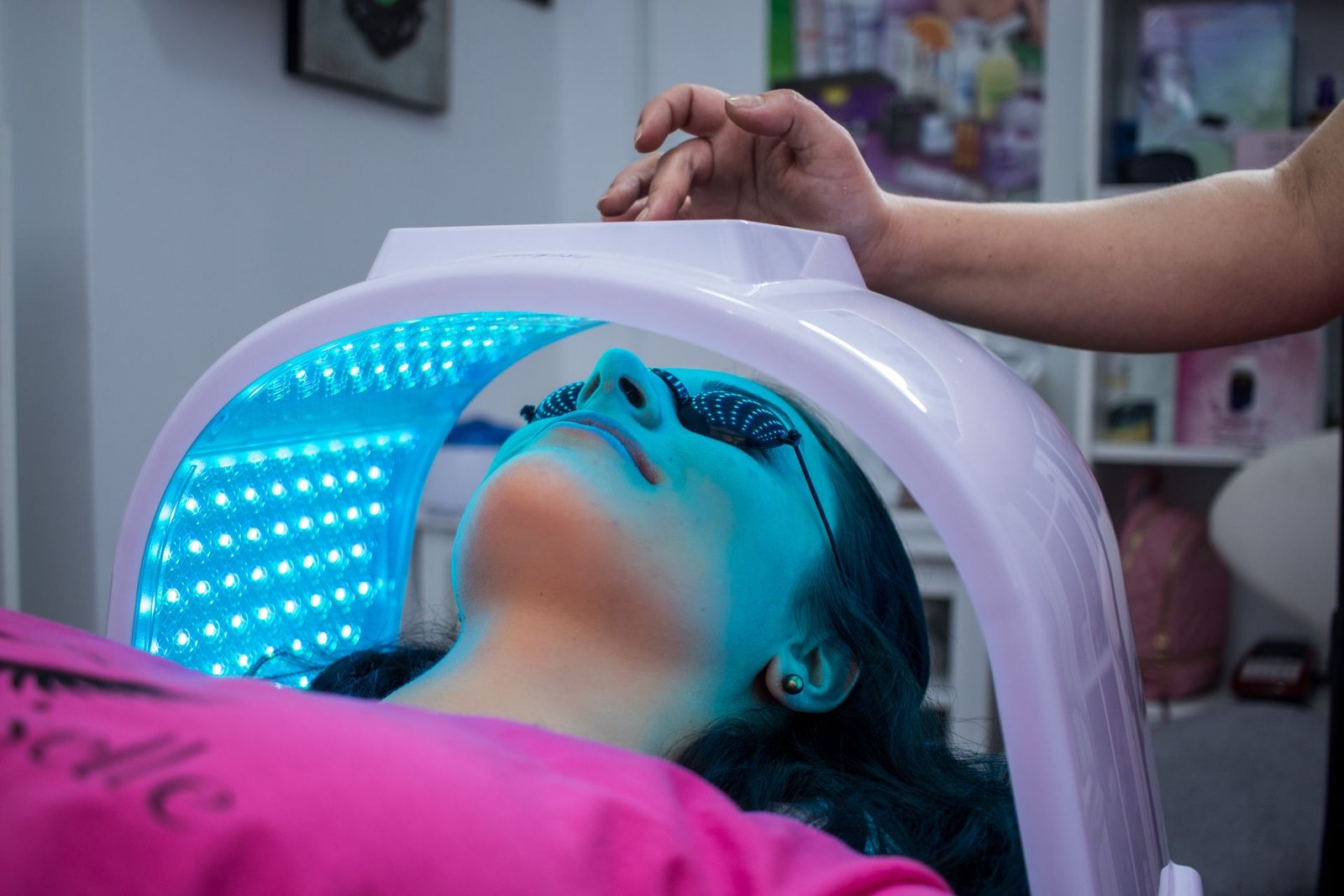
Photodynamic therapy sits inside the AAD’s insufficient-evidence statement on physical modalities, named specifically as PDT with aminolevulinic acid. Trials are numerous but mostly small, short, and compared against other active treatments rather than vehicle. Where vehicle controls do exist, the benefit largely disappears. The side-effect burden is real and immediate.
-
Oral Steroids for Acne: When Are They Justified?
Oral steroids are not an acne treatment. The 2024 AAD guideline names oral corticosteroids in its hormonal-agents insufficient-evidence statement: the evidence was judged insufficient to make a recommendation either way, and corticosteroids can cause an acne-like eruption themselves. Their genuine role is narrow and specialist: acne fulminans, severe inflammatory flares, and the flare isotretinoin can…
-
Resorcinol for Acne: An Old Ingredient, Thin Evidence
No modern evidence supports it. The 2024 AAD guideline found the evidence insufficient to develop a recommendation on resorcinol for acne, in either direction. It survives as a legacy US over-the-counter monograph ingredient, permitted only in combination with sulfur, and reviewers describe it as not effective on its own. It also carries uncommon but real…
-
Minocycline Foam (Amzeeq) for Acne: How Well Does It Work?
Yes, modestly. Three 12-week vehicle-controlled trials in 2,418 people found minocycline 4% foam beat its vehicle on inflammatory lesion counts, and on clear-skin ratings in the pooled analysis though not in every individual trial, but the gaps were small and most users did not clear. It sits inside the 2024 AAD guideline’s strong, moderate-certainty recommendation…
-
Green Tea for Acne: Does Topical EGCG Help?

The 2024 AAD guideline names topical green tea in its insufficient-evidence statement for complementary and alternative therapies. Small topical EGCG trials do report real reductions in lesion counts, and the pooled effect clearly favours the topical route over the oral one. But the whole randomised evidence base is a couple of hundred people across a…
-
Vitamin B5 (Pantothenic Acid) for Acne: Does It Work?
Probably not, on the evidence available. The 2024 AAD guideline names oral pantothenic acid among the treatments it could not make a recommendation on, for or against. The modern case rests on a single 12-week randomised trial of a branded supplement in 48 people, funded by the company that sells it, and testing a product…
-
Pneumatic Broadband Light for Acne: The One Thing the AAD Recommends Against
This is the only treatment the 2024 AAD guideline recommends against. The wording is “we conditionally recommend against adding pneumatic broadband light to adapalene 0.3% gel”, on low-certainty evidence. The single small split-face trial behind it found an early head start that had vanished by the end, and two participants withdrew with hyperpigmentation.
-
Can You Use Benzoyl Peroxide and Winlevi Together?
Probably fine, but nobody has properly tested it. No combination trial, but the guideline’s whole logic points toward combining. Reasonable to combine. Introduce one at a time so you know which is doing what, and which is causing any irritation.
-
Can You Use Benzoyl Peroxide and a Face Scrub Together?
Not at the same time. Skip the scrub. This one is expert consensus rather than trial data, and we will say so. The mechanism (barrier disruption compounding the disruption the active already causes) is sound, and the upside of a scrub over a chemical exfoliant is close to nil, so the risk-benefit is clear even…