Latest posts
-
We Checked 97 Acne Pages Against the AAD Guideline — and Found the Error Starts Upstream
We checked 97 top-ranking pages for 17 common acne searches against the 2024 AAD acne guideline. Only 13% mention the guideline at all and 5% link to it. We found no publisher error in describing it — but the guideline’s own abstract says it contains five good practice statements, then lists only four, describing the…
-
Flutamide for Acne: Effective, and Rarely Worth the Risk
Flutamide is a potent antiandrogen, and one small pilot randomised trial found it at least as good as a standard hormonal pill on its per-protocol analysis, though not on intention-to-treat. It also carries a boxed warning for liver failure, with deaths recorded in young women treated for acne or hirsutism. The 2024 AAD guideline could…
-
Laser and Light Therapy for Active Acne: Does It Work?
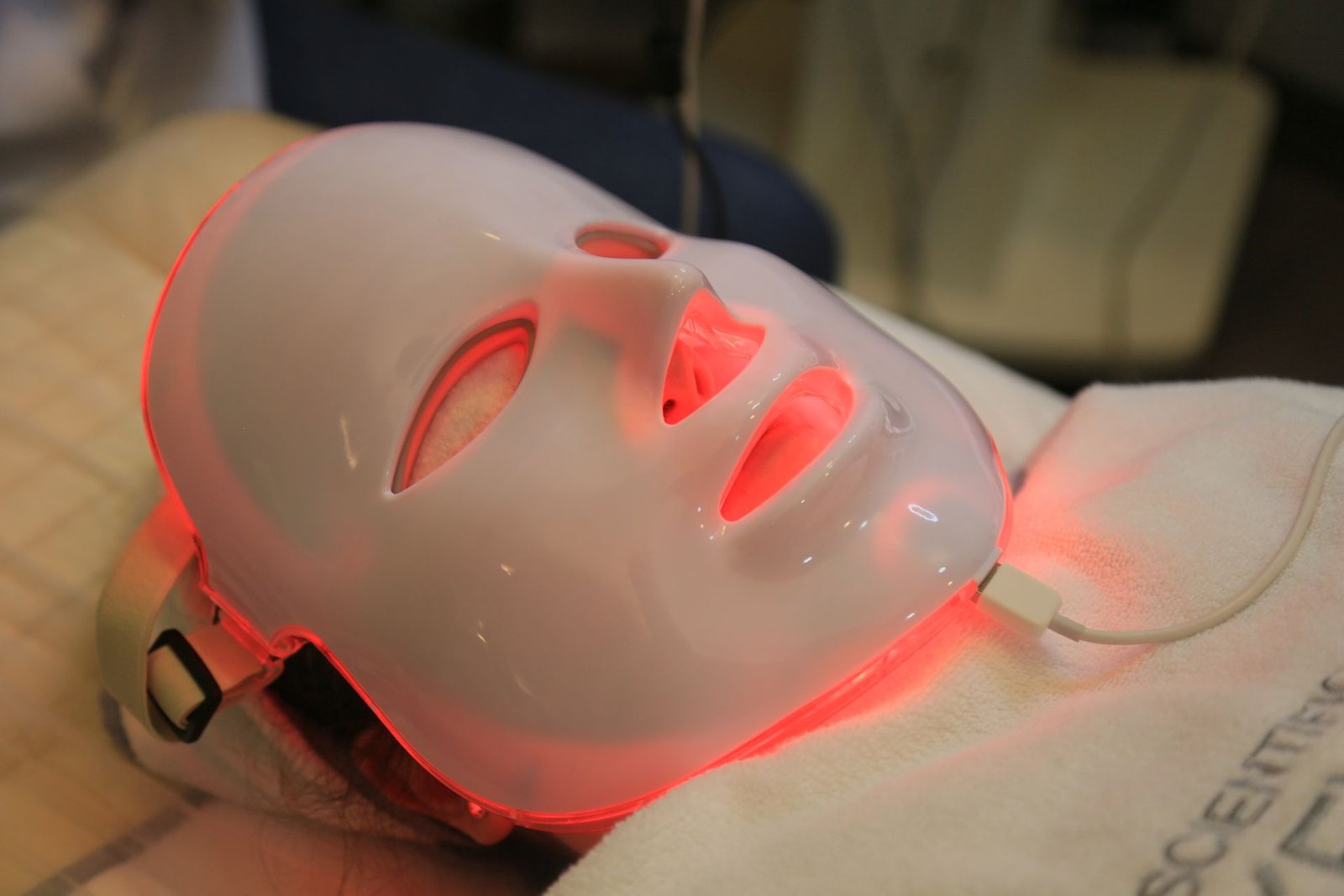
The 2024 AAD guideline says the evidence is insufficient to recommend for or against the laser and light devices it reviewed, with one exception, pneumatic broadband light added to adapalene 0.3% gel, which it conditionally recommends against. That is not a rejection; it is a verdict that the trials cannot settle the question. Dozens of…
-
Bactrim for Acne: What the Evidence Says
Trimethoprim/sulfamethoxazole is not FDA-approved for acne, and the 2024 AAD guideline explicitly found the evidence insufficient to develop a recommendation on it, for or against; it is named alongside oral azithromycin in the guideline’s systemic-antibiotics insufficient-evidence statement. It does appear to work, but the trial base is a handful of small studies, the newest from…
-
Azithromycin for Acne: When Is It Used?
Azithromycin can reduce inflammatory acne, and head-to-head trials put it roughly level with doxycycline. Even so, the 2024 AAD guideline recommends doxycycline in preference to azithromycin, a conditional recommendation resting on low-certainty evidence. It is a fallback for people who cannot take a tetracycline, not a first choice.
-
Cabtreo: The First Triple-Combination Acne Gel
It works, and in the one trial that tested it against its own two-drug versions it beat all three. But the 2024 AAD guideline makes no recommendation about it at all; the product postdates the guideline’s evidence review, and recommendations 1.8 to 1.10 cover two-drug fixed combinations only. That is an absence of assessment, not…
-
Dapsone Gel (Aczone) for Acne: Evidence and Side Effects
Yes, but the effect is small. Very large vehicle-controlled trials show topical dapsone beating its vehicle on lesion counts and clear-skin ratings by a consistent but narrow margin. It falls under the 2024 AAD guideline’s strong, moderate-certainty recommendation for topical antibiotics as a class rather than being graded on its own. The FDA label requires…
-
Zinc for Acne: Oral and Topical Evidence
The 2024 AAD guideline names oral or topical zinc in its insufficient-evidence statement for complementary and alternative therapies. Oral zinc is not inert: pooled analyses find it reduces inflammatory papules, but the one large head-to-head trial found it clearly weaker than an oral antibiotic, and the topical evidence barely exists as a separable thing at…
-
Glycolic Acid for Acne: What the Evidence Shows
The 2024 AAD guideline found the available evidence insufficient to make any recommendation on glycolic acid for acne, twice over: once for topical glycolic acid, and again for glycolic acid chemical peels, which appear in the guideline’s separate physical-modalities statement. The acne trials that do exist are almost all in-clinic chemical peels at 35 to…
-
Witch Hazel for Acne: Does It Actually Do Anything?

Nobody has properly tested it. There is no randomised trial of witch hazel in acne that I could find, and the 2024 AAD guideline names topical witch hazel in its complementary and alternative therapies statement, finding the evidence insufficient to make a recommendation either way. US regulators classify witch hazel as an astringent for minor…