Latest posts
-
Can You Use Benzoyl Peroxide and Tea Tree Oil Together?
Probably fine, but nobody has properly tested it. Untested, and there is a reason to be wary that has nothing to do with efficacy. There is no evidence of added benefit and a plausible reason for added risk.
-
Can You Use Benzoyl Peroxide and Sulfur Together?

Probably fine, but nobody has properly tested it. Barely studied, in either direction. Both are drying and keratolytic, so additive irritation is the practical concern. There is no evidence promising you extra benefit from stacking them.
-
Can You Use Benzoyl Peroxide and Moisturizer Together?
Yes. Use the moisturiser and the sunscreen. They do not blunt the treatment. The genuinely true piece of benzoyl peroxide folklore is the laundry one: it bleaches hair and coloured fabric. White pillowcases and towels, and let it dry before you dress.
-
Can You Use Spironolactone and Birth Control Together?

Yes. Routinely prescribed together, and the monitoring folklore has been studied. This is prescription territory, so it is a conversation with your prescriber rather than a decision you make. Monitoring is still appropriate with kidney or heart disease, older age, or other medications that raise potassium, and some contraceptives are themselves mildly potassium-sparing.
-
Can You Use Accutane and Doxycycline Together?

Only with a clinician involved. A labelled interaction. This is a prescriber’s call, not yours. If you have been prescribed both, raise it with the prescriber before taking them. It may be an oversight, or there may be a plan.
-
Can You Use Accutane and Waxing Together?
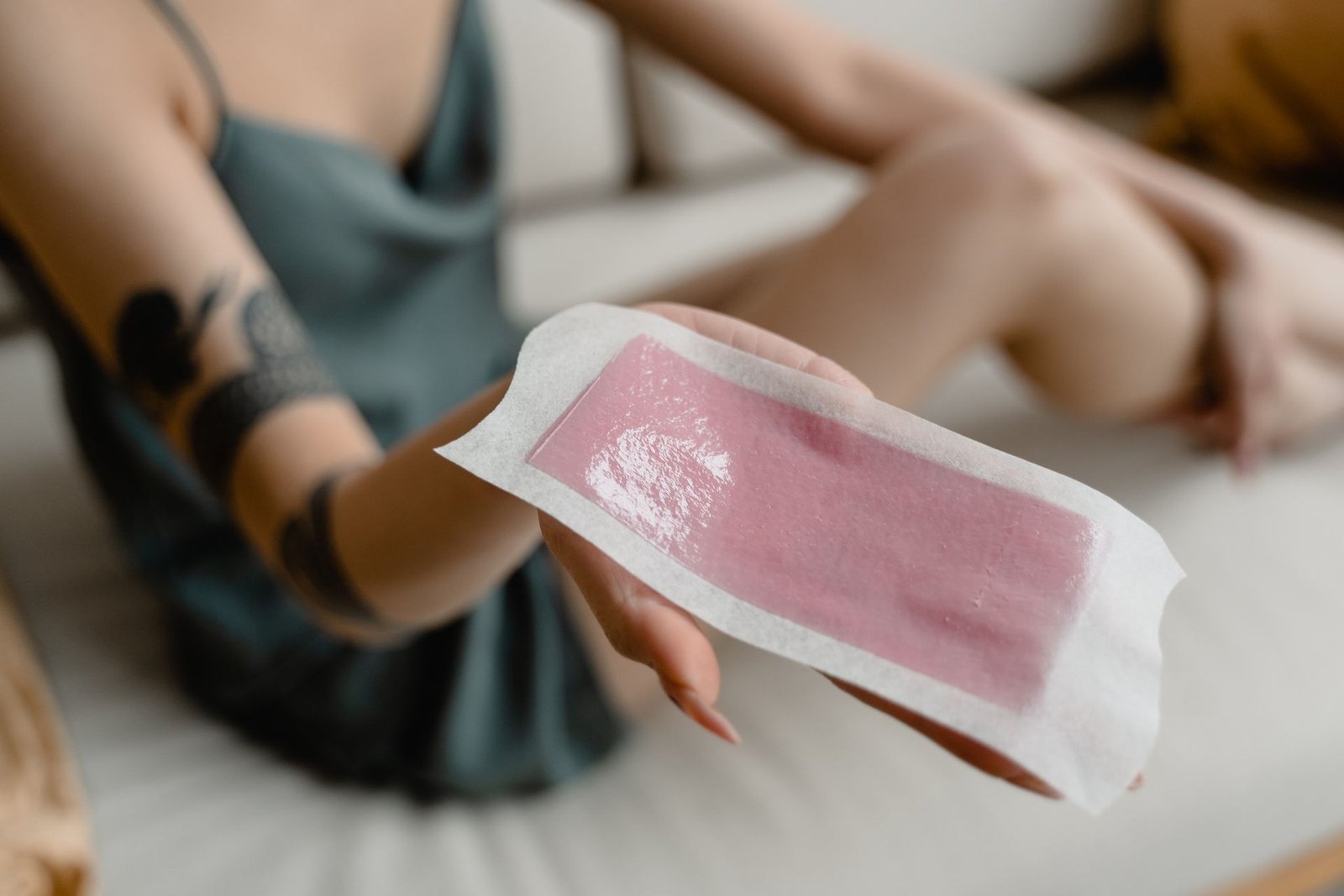
Not at the same time. A labelled caution, not folklore. Wait six months. Threading, shaving or trimming instead. Tell any clinic doing laser, peels, dermabrasion or microneedling that you have taken isotretinoin and when you stopped.
-
Can You Use Tretinoin and Clindamycin Together?
Yes. Fine together: approved products contain both in one tube. Two label points worth carrying over: products containing clindamycin should not be combined with erythromycin-containing products, and because these combinations contain no benzoyl peroxide, the guideline recommends using benzoyl peroxide somewhere in the regimen anyway to limit resistance.
-
Can You Use Tretinoin and Hydroquinone Together?
Only with a clinician involved. An established combination, but the classic version is a prescription with a steroid in it. This is clinician territory, not a routine you assemble yourself; the steroid component makes it short-term and supervised, and prolonged hydroquinone carries a risk of exogenous ochronosis, a blue-black darkening that should prompt stopping.
-
Can You Use Salicylic Acid and Glycolic Acid Together?
Usually yes, with one caveat. No chemical interaction at all. This is dose, not incompatibility. Pick one for most days. If you use both, use them on different days, and stop if skin feels tight, shiny-tender or stings on water.
-
Can You Use Benzoyl Peroxide and Salicylic Acid Together?
Yes. Fine together, with one regulatory nuance worth understanding. Use them. Watch for dryness: both are drying, and the combination more so.