| Verdict | Keep them apart |
| What’s at stake | A real reason not to put them on at the same time. |
| How to use them | Threading, shaving or trimming instead. Tell any clinic doing laser, peels, dermabrasion or microneedling that you have taken isotretinoin and when you stopped. |
| Evidence behind this | 1 source, every one linked at the bottom of this page |
Where each one stands on its own
| Ingredient | What it does | Guideline standing |
|---|---|---|
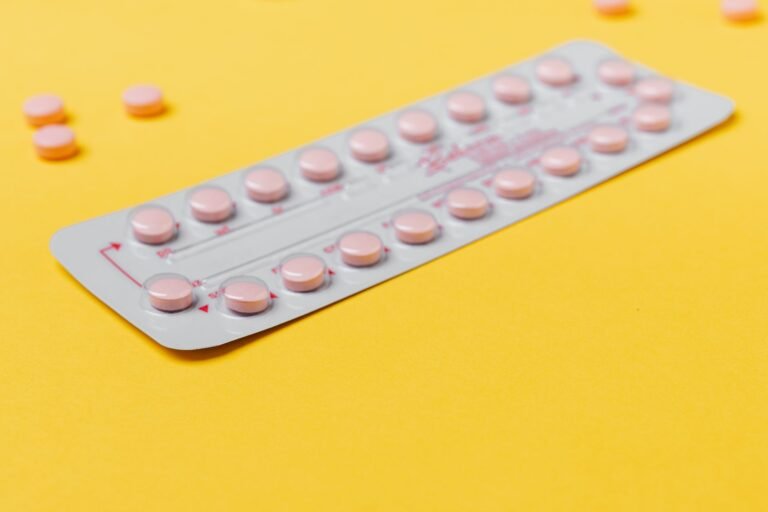
| Accutane | The most effective acne drug there is, taken orally for months under supervision. | Good practice statement in the 2024 AAD guideline (ungraded). |
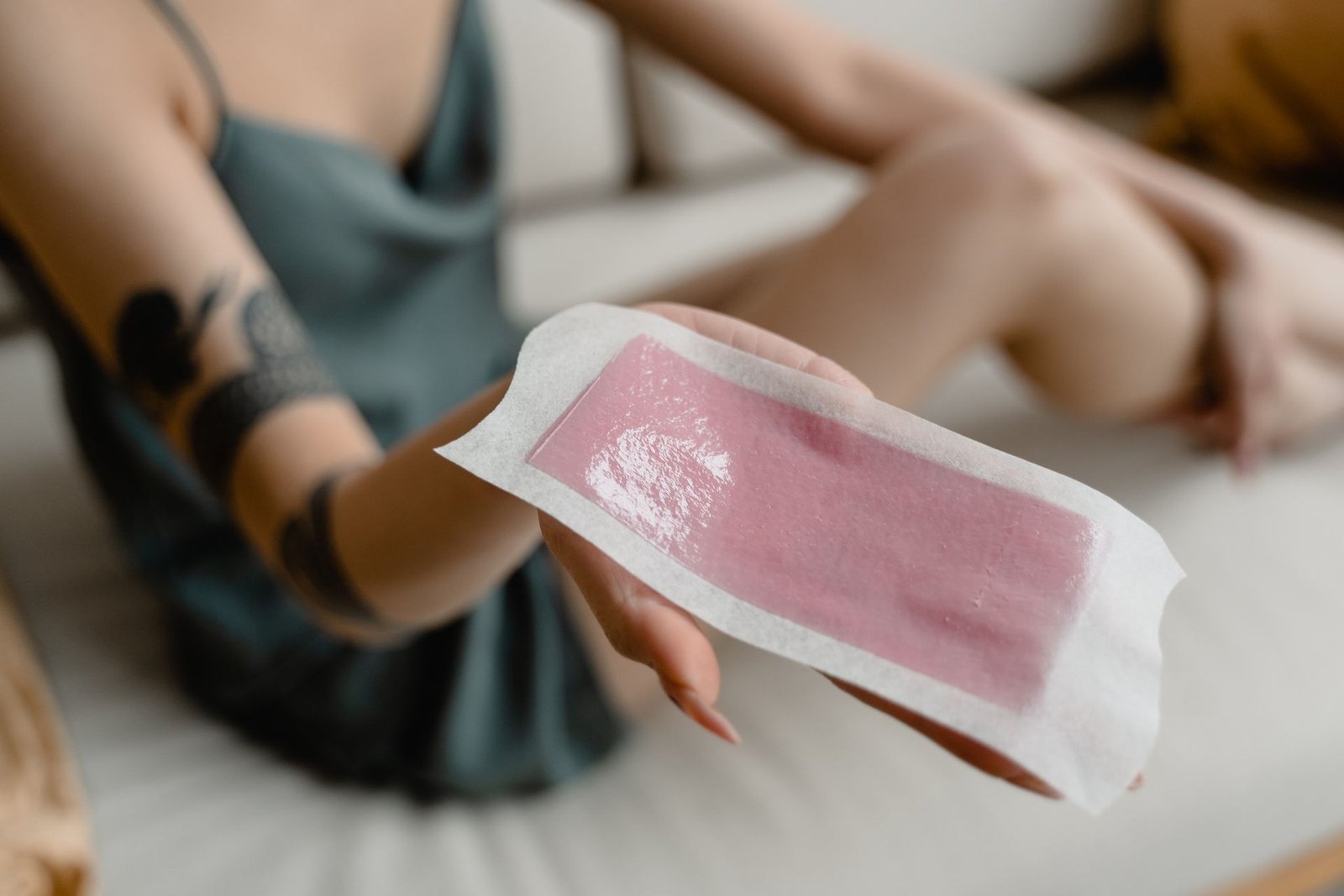
| Waxing | Physical removal of hair or skin surface. Matters here because of what it does to fragile skin. | Not addressed by the AAD acne guideline. |
What the evidence actually says
The isotretinoin label is explicit: wax epilation and skin resurfacing procedures such as dermabrasion and laser should be avoided during treatment and for at least six months afterwards, because of the possibility of scarring.
So how should you actually use them?
Threading, shaving or trimming instead. Tell any clinic doing laser, peels, dermabrasion or microneedling that you have taken isotretinoin and when you stopped.
Related combinations
| Combination | Short answer |
|---|---|
| Accutane and Doxycycline | Needs a clinician involved |
Sources
Keep reading
Try any other pairing in the acne ingredient combination checker, or see where each of these sits against the clinical guideline on the acne treatment evidence map. Full write-ups: Accutane.
Not medical advice
This page summarises published evidence about how two ingredients behave together. It is not a treatment plan, and it cannot account for your skin, your other medications or your medical history. Nothing here is reviewed by a clinician; see our editorial policy for exactly what that means. Talk to a clinician before changing a prescription routine.